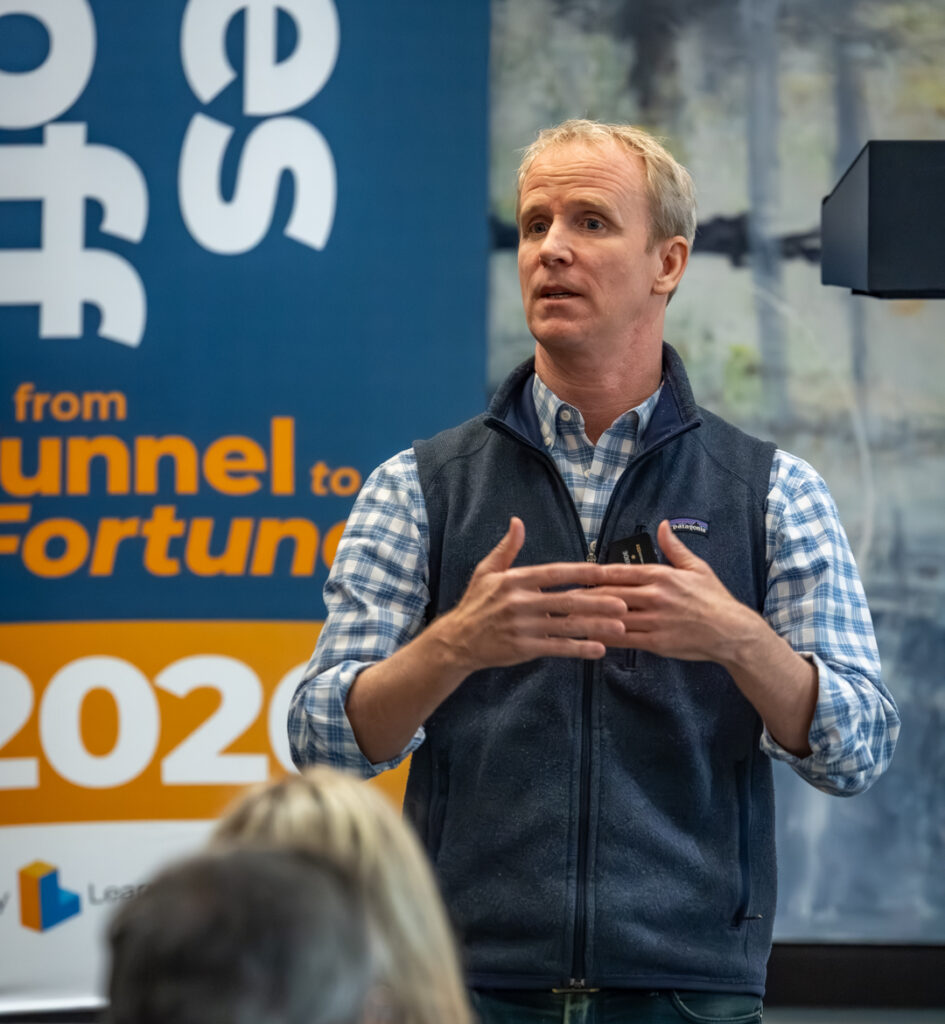
Doug Donovan
Executive Summary
- Founder and CEO of Interplay Learning
- Immersive 3D Simulation Training for Skilled and Craft Trades
- Data Center Growth and Workforce Capacity
- Apprenticeships, Workforce Training and Industrial Talent Development
- Workforce Development Leader
- Skilled and Craft Trades Advocate

Why connect with Doug?
Doug Donovan is a workforce development and skilled trades expert with deep experience at the intersection of technology, technical training and workforce readiness. As CEO of Interplay Learning, he brings a national perspective to the challenges facing employers, educators and workforce organizations as they prepare people for essential careers across the skilled trades, industrial, facilities, and data center sectors. Doug is a trusted voice on skilled labor and workforce trends, apprenticeship and training modernization, immersive and simulation-based learning, and the role technology can play in building a more capable technical workforce.
Areas of Expertise
- Skilled trades labor shortages and workforce development
- Data center infrastructure: capacity constraints, workforce development and training needs
- AI integration in workforce development
- Immersive, VR and simulation-based training for the skilled trades
- Apprenticeship and CTE modernization
- HVAC, plumbing, industrial and facilities workforce development
- Competency-based learning and skills-first credentialing
- Technical workforce readiness, upskilling and reskilling
Biography
Doug Donovan is the CEO and Founder of Interplay Learning, the leader in immersive simulation training for the skilled and craft trades. Prior to Interplay, Donovan’s background includes co-founding a venture-backed software company and developing a ski resort in Colorado. Doug holds a BA from the University of Virginia and an MBA from the Haas School of Business at UC Berkeley.
Interplay Learning Accomplishments
2023 – 2026
Included on America’s Best Startup Employers List, Forbes, for 4 consecutive years, ranked #2 in Education and EdTech.
2026
Recognized four times on the Inc. 5000 List and honored by Inc. as a Best in Business and Best Workplace.
2026
Expanded offerings with new online and simulation-based data center maintenance training catalog
2025
Included on the Deloitte Fast 500
2025
Received IACET Instructional Impact Award
2025
Trained more than 180,000 learners and reduced training times by an average of 4.3 months.
2025
Developed simulation-based curriculum for Modigent, which was integrated into multi-state, 12-week hybrid apprenticeship programs.
2024
Ranked a Most Innovative Company by Fast Company
Sept 2024
Secured Series C financing and growth equity investment from Goldman Sachs Alternatives, and Acquired Industrial Training International (ITI)
2021
Earned IACET Accreditation (International Accreditors for Continuing Education and Training), allowing the platform to issue official Continuing Education Units (CEUs).
Doug is Available to Speak On
Why America’s skilled labor shortage has become an infrastructure and economic growth issue:
How shortages of electricians, HVAC technicians, maintenance professionals and other skilled workers are constraining growth in manufacturing, data centers, facilities and other critical industries.
Building the skilled workforce behind the AI and data center boom:
Why rapidly expanding digital infrastructure depends on a physical workforce, and how employers and educators can use technology to address the labor shortage and unlock training capacity
What it takes to train the next generation of “new-collar” professionals:
How technology, immersive learning and skills-based training can create more accessible pathways into technical careers while helping workers develop job-ready competencies faster.
Closing the skilled trades knowledge gap before experienced workers retire:
How employers can capture institutional knowledge, accelerate skills development and prepare newer technicians to maintain increasingly sophisticated equipment and infrastructure.
Modernizing apprenticeships and career and technical education for today’s workforce:
How employers, educators and workforce organizations can combine hands-on experience with simulation, VR, AI, digital learning and competency-based approaches to expand skilled career pathways without sacrificing training quality.
Moving from training completion to demonstrated competency:
Why employers should focus less on hours spent in training and more on whether workers can demonstrate the skills required to perform safely, confidently and effectively on the job.
Preparing industrial and facilities teams for increasingly complex operations:
How manufacturers, building operators and facilities leaders can use continuous upskilling and cross-training to improve workforce readiness, reliability and operational resilience.
Where AI fits — and doesn’t fit — in skilled trades workforce development:
How AI can support training, knowledge transfer and worker productivity while hands-on technical expertise remains essential to the physical infrastructure on which the economy depends.
Featured Media, Podcasts, and Public Articles
CEOWORLD Columnist
- CEO Insider
- Thought Leadership
- Special Reports
- Business World
Authority Magazine
Speaking Engagements
- Doug Donovan | Speaker | ASU GSV Summit, 2023, 2024
- Doug Donovan| Speaker | How Virtual Reality and Augmented Reality are Changing Maintenance | ConnexFM
- SXSW EDU: Preparing Gen Z for work (March 2026). The Toolbelt Generation
- Close-It Summit: Scaling Apprenticeships in the Skilled Trades (May 2026)
- NY Edtech: Reimagining Frontline Training (Oct 2025)
- RETCON: Training Skilled Workers for Business Success (March 2025)
- Secretary of Education meeting with Linda McMahon (June 2025)
Interviews, Commentary, and Podcasts
- BBC World Service (interview starts at 2:33:00)
- Interplay CEO Speaks With ACHR On Online Immersive Training
- Training For The Future | Podcast | Interplay Learning
- Dell Sees VR as The Future of Trades Training | Interplay
- Can Virtual Reality Solve the Skilled Labor Shortage – Cool Science Radio Podcast
- Solving the Skills Gap with VR – Elevating Brick & Mortar Podcast
- Revolutionizing Skilled Trades Training – Manufacturers Network Podcast
- Air Conditioning Podcast
- Blue is the New White Podcast
- HVAC Uncensored Podcast
- U.S. News & World Report: The Trade School Trend
- Forbes: Skilled Trades Embrace AI As Enabling Education Technology
- Forbes: Data Center Workforce Shortage Pushes Employers Into Trades Education
- Host: Better Careers, Better Lives Podcast
Professional Affiliations
- Berkeley Haas Alumni Network
- Interplay Learning Board of Directors