
New Hire Onboarding Plan: University Facilities Maintenance Technician
Onboarding new maintenance technicians is always a challenge. The first 90 days are critical, but with limited trainers, busy supervisors, and constant pressure to maintain uptime, it’s tough to give new hires the hands-on experience they need to stay safe and succeed.
Onboard Your Technicians With Blended Learning
Summary
The first 90 days of onboarding new maintenance technicians are crucial but often inefficient due to limited trainers, busy supervisors, and the need to maintain uptime. Traditional onboarding methods like manual checklists and job shadowing slow progress and leave new hires underprepared.
Interplay Learning’s 12-week onboarding guide for university facilities maintenance technicians provides a structured plan to accelerate training and ensure safety. The program blends simulation-based learning with real-world experiences, allowing new hires to safely practice complex tasks before handling live equipment.
Giving new hires hands-on, engaging training that keeps them safe and confident from day one.
Helping new hires master the basics independently so senior techs can focus on advanced training.
Providing realistic troubleshooting practice without waiting for equipment failures or rare scenarios.
Training
Solutions
Standardize onboarding with a 12-week, simulation-based plan built for university maintenance teams.
Use skill assessments and progress tracking to personalize learning at scale.
Blend digital lessons with supervised, hands-on practice for faster certification and retention.
Centralize content to unify terminology, safety standards, and procedures across campuses.
Outcomes
Consistent onboarding experience across all departments and locations.
Reduced turnover through structured, engaging skill development.
Measurable productivity gains from day-one readiness.
Stronger safety culture and improved credential attainment.
Scalable training that grows with your facilities workforce.
90-Day Onboarding Plan with Interplay Learning
Week 1: Foundations in Safety and Campus Culture
This initial week establishes the foundation for a safe, productive employee by combining cultural integration with critical safety awareness. HR onboarding, facility tours, and team introductions build connection and belonging, while basic safety courses (PPE, fire safety, hazard communication) create the safety mindset that is essential before any hands-on work. Finally, introducing hand tools and the maintenance department structure provides context for their future role.
Campus Overview and Orientation
- Complete all HR paperwork and benefits enrollment.
- Receive ID badge, access credentials, and IT equipment.
- Participate in a department orientation and campus safety briefing.
- Review university mission, safety protocols, and emergency procedures.
- Tour key facilities and service areas.
- Meet supervisors, team members, and key partners (EHS, Custodial, Grounds).
Safety Training - Part 1 (General Safety Awareness):
Introduction to the Maintenance Department:
- Review department goals, preventive maintenance philosophy, and work order process.
- FM119: Essential Hand Tools for Facilities Maintenance
Week 2: Deep Dive Into Safety and Basic Operations
Building on the safety foundation, this week introduces preventive maintenance and inspection practices tailored to a university setting. Trainees learn how to recognize issues before they disrupt campus life and gain insight into standard inspection routines.
Safety Fundamentals:
Safety Credentialing (OSHA 10):
Basic Maintenance Operations
- Overview of building systems: HVAC, electrical, plumbing, and lighting.
- Preventive maintenance scheduling and documentation.
- Work order submission and communication process.
Basic Maintenance Operations
- Shadow preventive maintenance rounds: filter changes, lighting checks, and restroom fixture inspections.
Weeks 3-4: Facilities Maintenance and Mechanical Systems Introduction
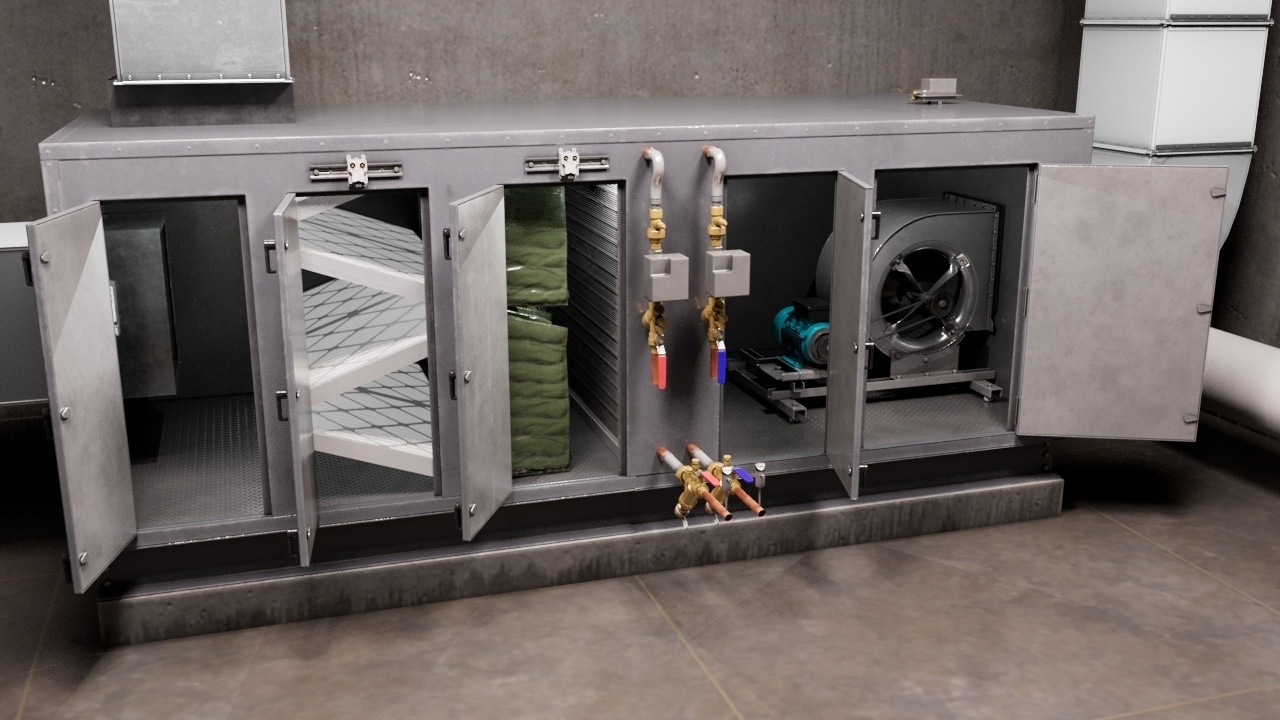
This period marks the transition from orientation and safety to hands-on technical readiness. By this point, new technicians should understand their environment and basic safety expectations. Now, they begin learning how the campus actually runs. This phase focuses on building foundational knowledge of the major building systems – HVAC, electrical, plumbing, and lighting – and on understanding the preventive maintenance routines that keep those systems reliable.
HVAC Fundamentals
Plumbing Fundamentals
Electrical Fundamentals
Preventive Maintenance Focus
Weeks 5-6: Learning and Developing Basic Troubleshooting Skills and Deeper Mechanical Knowledge
This week’s focus is on building troubleshooting confidence through a structured approach. New technicians apply what they’ve learned about different systems and preventive maintenance to identify root causes of common HVAC, plumbing, and electrical issues found across campus. Simulation-based learning allows them to practice diagnosing problems safely before tackling real-world tasks under supervision.
Troubleshooting Fundamentals:
System Specific Troubleshooting:
System Specific Troubleshooting:
- Under supervision, perform basic HVAC and plumbing troubleshooting, verifying airflow, checking thermostats, tightening connections, or clearing minor blockages.
- Inspect local electrical rooms with a mentor; identify labeling gaps or potential safety hazards.
- Join weekly shop meetings to review recent trouble tickets and discuss root causes and prevention strategies.
Weeks 7-8: Advanced Systems Operation and Campus Controls
As technicians gain confidence in diagnosing basic problems, the next phase expands their exposure to more complex building systems and the digital tools used to manage them. This phase emphasizes HVAC performance optimization, energy awareness, and building automation familiarity—critical skills for maintaining comfort, safety, and efficiency across large campus environments.
System Specific Troubleshooting:
Practical Application:
Conduct campus energy and system walkthroughs with senior staff, including BAS observations, mechanical room pump inspections, rooftop unit checks, and preventive maintenance rounds. Document all findings and corrective actions in the CMMS.
Weeks 9-10: Additional Cross-Training, Quality Assurance, and Cross-Department Coordinationr
These weeks mark the transition from guided learning to independent performance. New hires begin managing assigned work orders with minimal supervision while focusing on communication and collaboration across the facilities department. The goal is to build confidence in prioritizing tasks, validating system performance, and maintaining accountability in a live campus environment.
Additional Cross-Training Opportunities:
Department Coordination and Hands-On Practice:
- Attend cross-team meetings with energy management, custodial, and sustainability groups to understand workflow dependencies.
- Independently manage assigned work orders, perform post-maintenance verification on key systems, and document performance data and corrective actions.
Weeks 11-12: Additional Cross-Training, Qulaity Assurance, and Cross-Department Coordination
This final phase of onboarding confirms each technician’s readiness for independent work. Over these two weeks, new hires demonstrate their applied maintenance skills, complete any remaining safety credentials, and participate in a 90-day performance review to identify strengths, growth areas, and next-step development opportunities.
Applied Skills and Supervised Tasks:
- Perform supervised preventive maintenance rounds (HVAC, plumbing, lighting, and general systems) across assigned buildings.
- Complete at least one supervised repair on major campus equipment (e.g., centrifugal pump, air handler)
- Conduct self-led building walkthroughs to identify potential maintenance issues or opportunities for improvement.
Applied Skills and Supervised Tasks:
- Complete the Facilities Maintenance Welcome Assessment to identify areas of mastery and areas that should be prioritized for additional training.
- Participate in a 90-day performance review with the immediate supervisor.
- Discuss strengths, areas for improvement, and career aspirations.
- Set goals for ongoing skill enhancement and next-level training.
ACCELERATE NEW HIRE READINESS WITH INTERPLAY LEARNING’S UNIVERSITY FACILITIES ONBOARDING GUIDE